Digital Platform Management: Best Practices and Key Strategies

digital-platform-management-best-practice-and-key-strategies

In today’s digital age, businesses of all sizes are increasingly relying on digital platforms to reach their audience, streamline operations, and drive growth. However, managing these platforms effectively can be a challenge. Digital platform management involves overseeing and optimizing the performance of various online tools, services, and solutions that support a business’s objectives. In this guide, we’ll explore key aspects of digital platform management, discuss best practices, and share strategies to help you leverage these platforms to their full potential.

I. Digital Platform Management

1. What is Digital Platform Management?

Digital platform management refers to the coordination and oversight of digital tools and services used to deliver, manage, and optimize business operations. These platforms can include social media, e-commerce websites, content management systems (CMS), customer relationship management (CRM) tools, cloud services, and more.

digital-platform-management-best-practice-and-key-strategies

2. Why Is Digital Platform Management Important?

With the growing number of digital platforms available, effective management ensures that businesses maintain consistent performance, deliver a seamless user experience, and optimize their resources for scalability and innovation. Good platform management not only improves efficiency but also helps businesses stay competitive in a rapidly evolving digital landscape.

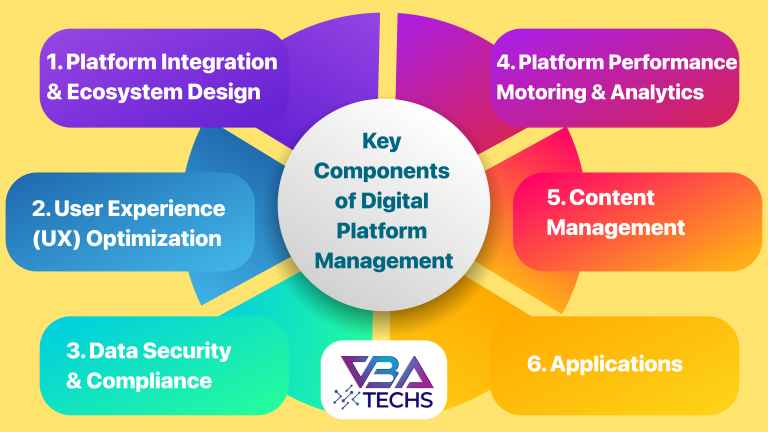
II. Key Components of Digital Platform Management

1. Platform Integration and Ecosystem Design

  • The foundation of digital platform management is integrating platforms across the business ecosystem to ensure seamless data flow. This means connecting your e-commerce system with inventory management, linking customer databases to marketing platforms, and creating unified workflows.
  • Tools to consider: API management, middleware solutions.

2. User Experience (UX) Optimization

  • A smooth and intuitive user experience is crucial for customer satisfaction. Monitoring and enhancing the user interface (UI) and user journey across platforms ensures higher conversion rates, retention, and engagement.
  • Tools to consider: A/B testing, heatmaps, user feedback tools.

3. Data Security and Compliance

  • As digital platforms handle a vast amount of sensitive data, security is paramount. Implementing strong security measures such as encryption, secure access protocols, and compliance with privacy regulations (like GDPR) should be a top priority.
  • Tools to consider: Data encryption software, security monitoring, compliance management platforms.

4. Platform Performance Monitoring and Analytics

  • Regularly assessing platform performance ensures that they are running smoothly. This includes monitoring uptime, speed, and overall health. Analytics help track performance metrics, user behavior, and identify areas for improvement.
  • Tools to consider: Google Analytics, server monitoring tools, platform analytics tools.

5. Content Management and Updates

  • Maintaining a fresh, relevant, and optimized content strategy is crucial for digital platform success. Regularly updating content, blogs, products, and promotions can keep your platforms dynamic and relevant to users.
  • Tools to consider: CMS platforms, content scheduling tools, SEO optimization tools.

digital-platform-management-best-practice-and-key-strategies

III. Best Practices in Digital Platform Management

1. Centralize Data Management:

Having a single source of truth is essential to ensure all platforms are synchronized and that data is easily accessible across departments. Implementing a data management platform (DMP) or customer data platform (CDP) can help consolidate data for better decision-making. decision-making.

2. Regular Audits and Updates:

It’s essential to audit your platforms regularly for performance issues, security vulnerabilities, and outdated content. Keeping everything up-to-date helps avoid problems and keeps the user experience consistent.

3. Optimize for Mobile and Multi-Device Use:

A large portion of users access digital platforms through mobile devices. Ensure that your platforms are optimized for mobile devices, providing responsive design, fast loading times, and seamless navigation.

4. Engage with Users through Social Platforms:

Leverage social media and other digital platforms to engage directly with customers. Social listening tools can help monitor customer sentiment and improve service.

IV. Challenges in Digital Platform Management

While digital platform management offers numerous benefits, it’s not without its challenges:

  • Complex Integration: As businesses adopt more tools, integrating them into one cohesive ecosystem can be complex.Lorem ipsum dolor sit amet, consectetur adipiscing elit. Ut elit tellus, luctus nec ullamcorper mattis, pulvinar dapibus leo.

  • Keeping Up with Changes: The rapid pace of technological advancements means platforms and tools are constantly evolving. Staying up to date requires a proactive approach.

  • Balancing Innovation with Stability: Introducing new features or technologies can improve platform performance, but it may also disrupt operations if not properly managed.

Choosing VBATECHS to optimize your business’s digital platform management is a wise choice!

At VBATECHS, we specialize in delivering cutting-edge Digital Application & Platform solutions designed to elevate your business. Our team of experts works closely with clients to develop customized applications that enhance user experience, streamline operations, and drive growth. Whether you’re looking to build a new digital platform or optimize an existing one, our comprehensive services cover everything from application development to platform management. We focus on creating scalable, secure, and innovative solutions tailored to meet the unique needs of your business in an ever-evolving digital landscape.

V. Conclusion: The Future of Digital Platform Management

The role of digital platform management will continue to evolve as businesses adopt more advanced technologies like AI, machine learning, and automation. Companies that successfully manage their digital platforms will be better equipped to deliver seamless customer experiences, scale operations, and stay competitive in a fast-changing digital world.

By focusing on integration, performance optimization, and user engagement, businesses can harness the full potential of their digital platforms. Embrace the future of platform management today to drive innovation, improve efficiency, and achieve long-term success.

Join with us in : VBAtechs on Linkedin

Contact us: VBATECHS

Leave a Reply

Your email address will not be published. Required fields are marked *